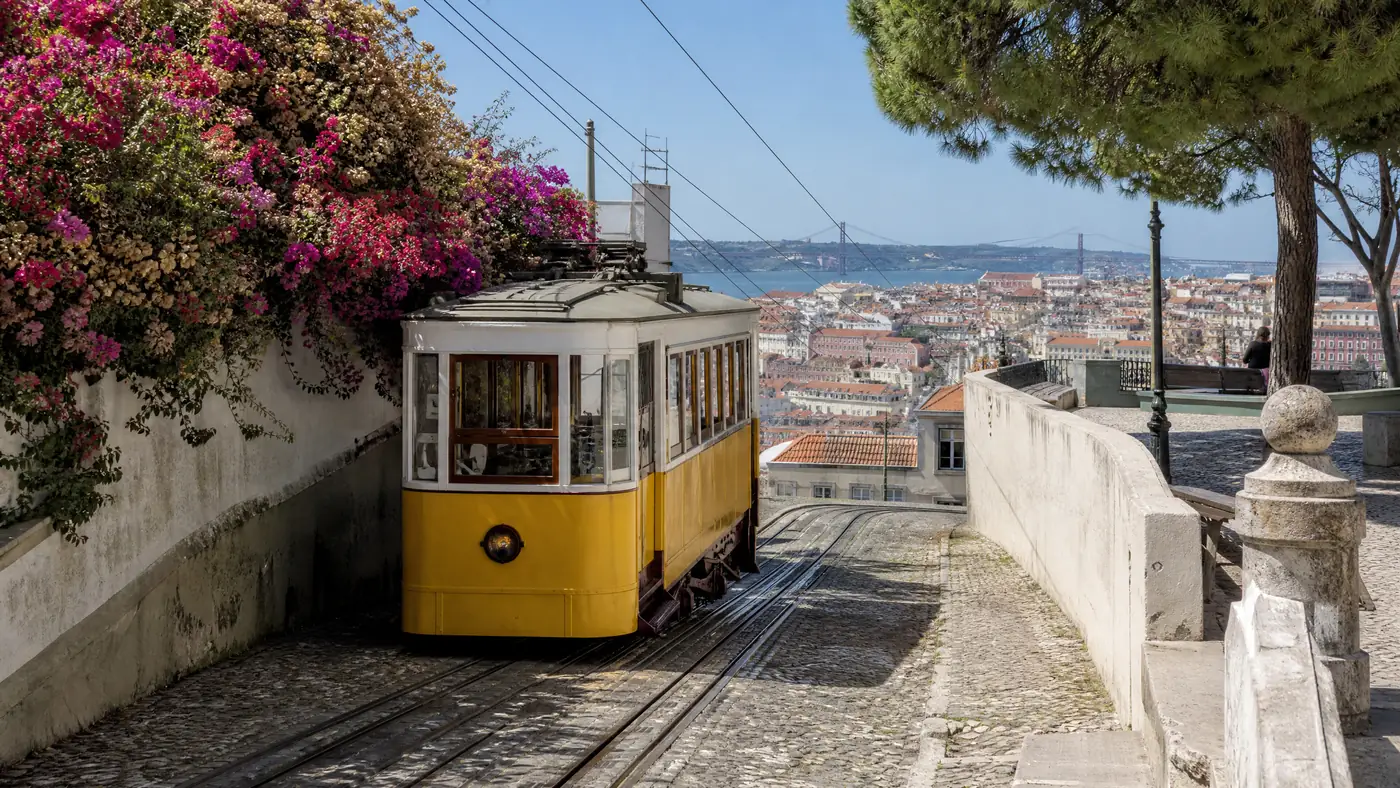
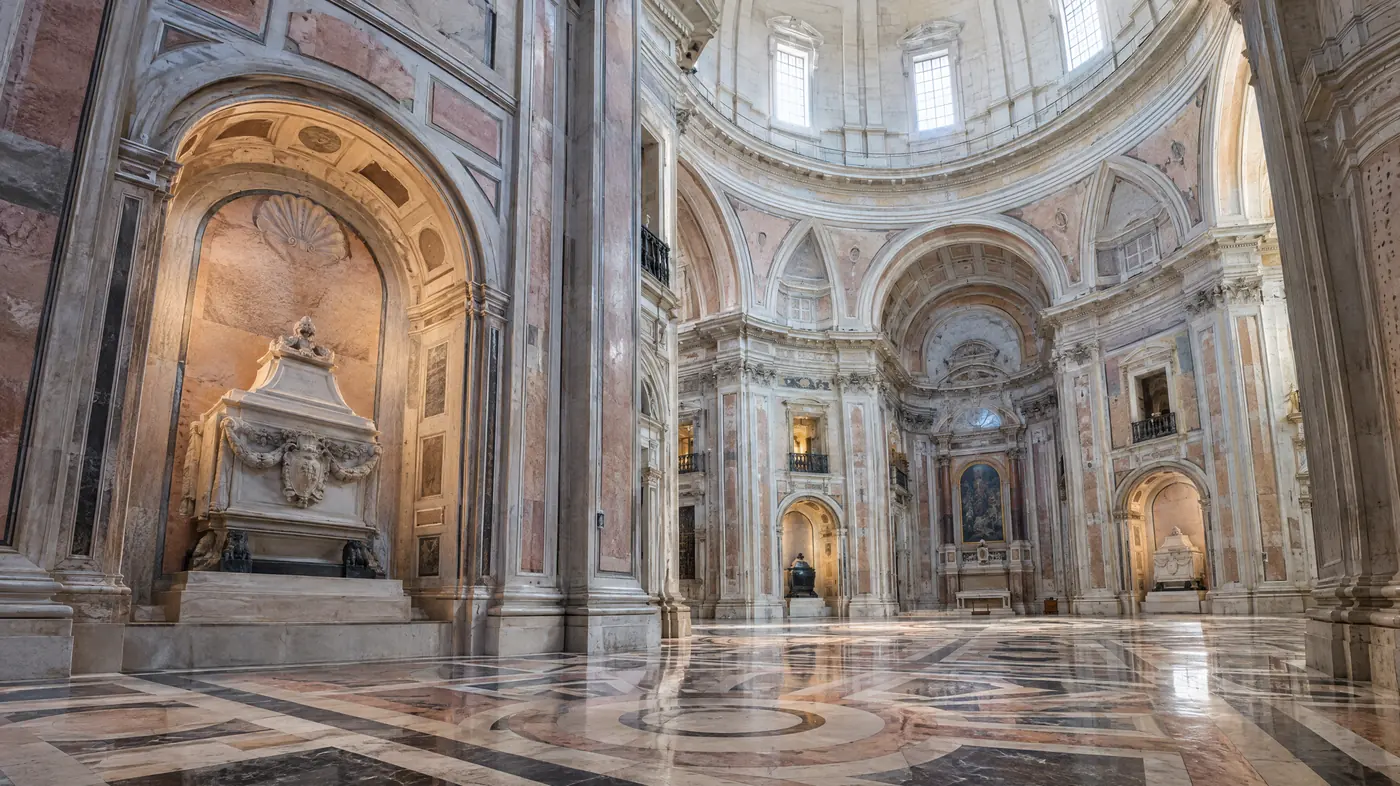
Booking choice: The Pantheon entry ticket, from $11 per person. Check dates Tour details
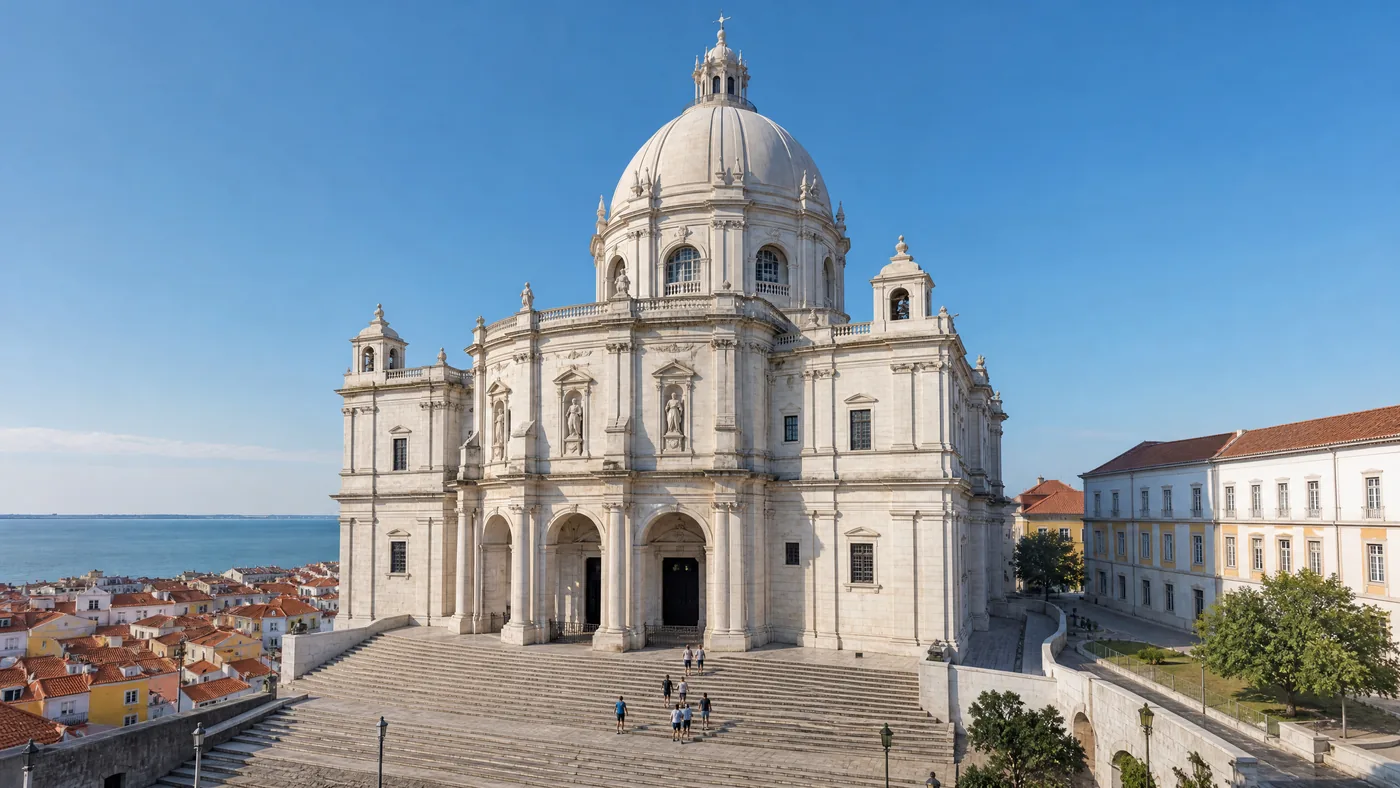
A pantheon is a building where a country honours the people it is proudest of. Portugal created its National Pantheon by law in 1836, kept it in the Jerónimos Monastery for 130 years, and moved it to Santa Engrácia when the church was finally finished in 1966.
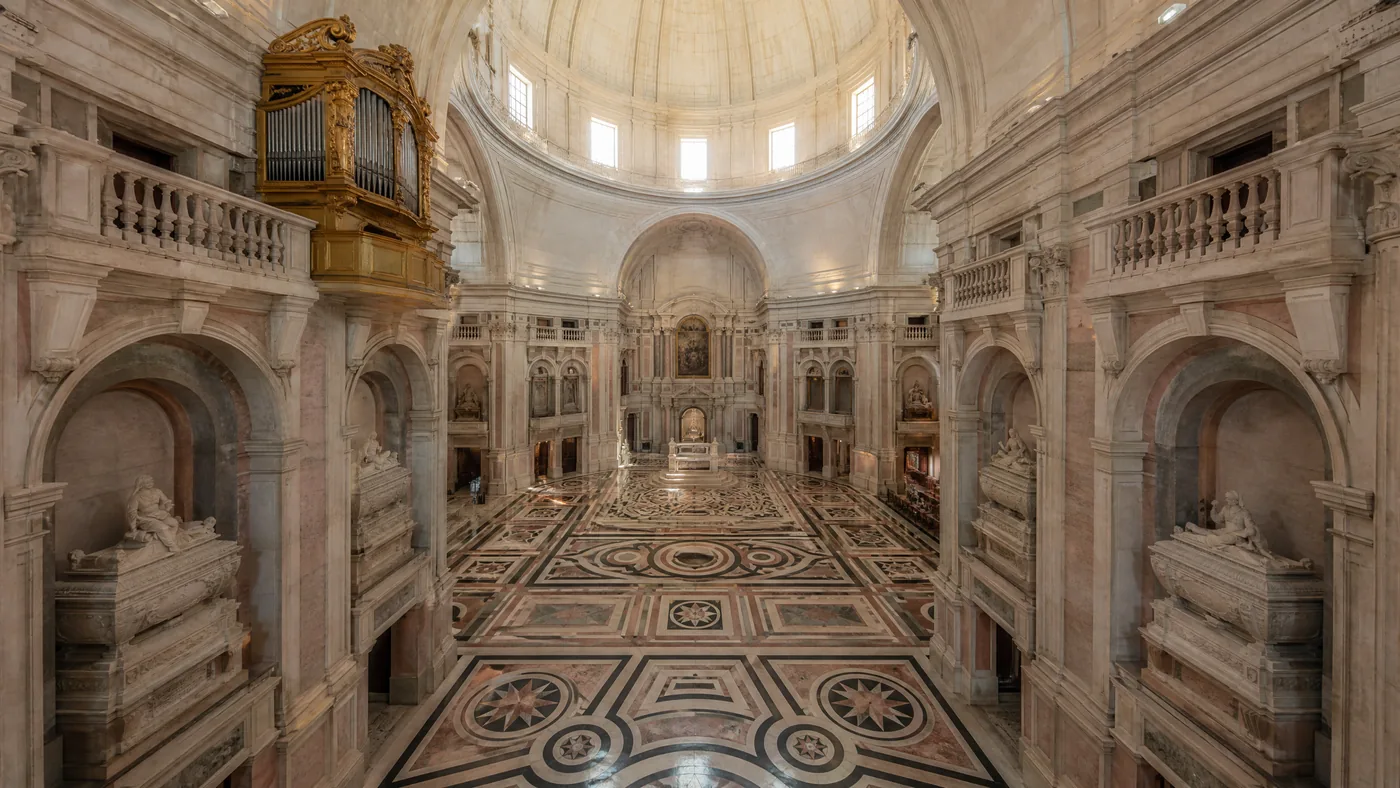
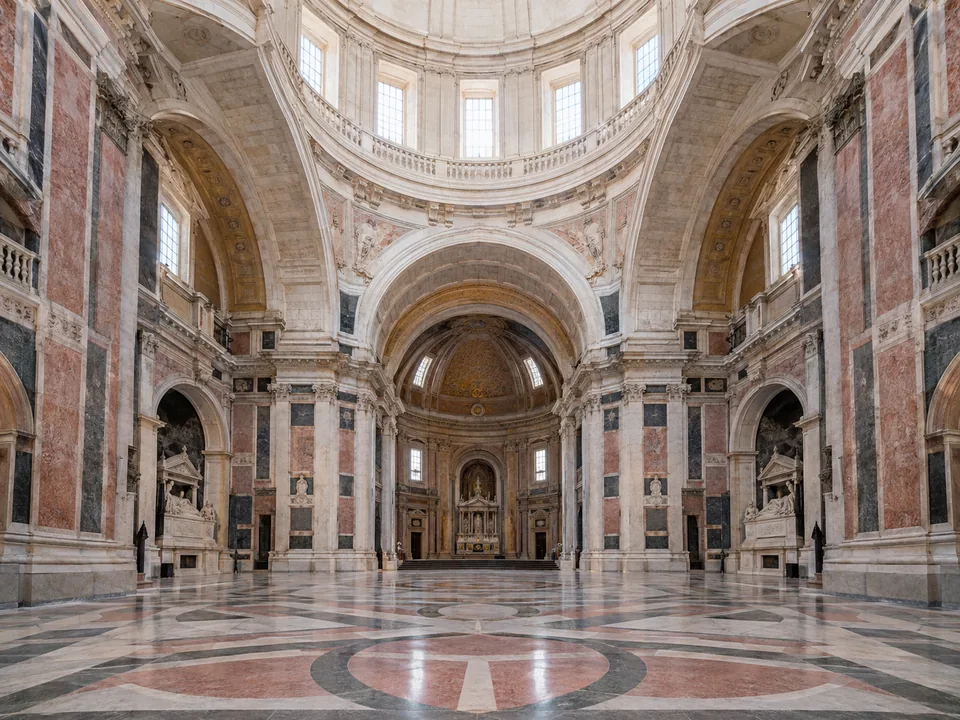
Inside you find two kinds of memorial. Tombs hold real remains. Cenotaphs are monuments without a body, raised to the heroes who are buried elsewhere. This guide lists every name, what each one did and where to find them.
The quick answer
The tombs hold presidents Teófilo Braga, Manuel de Arriaga, Sidónio Pais and Óscar Carmona; the writers Almeida Garrett, João de Deus, Guerra Junqueiro, Aquilino Ribeiro, Sophia de Mello Breyner Andresen and Eça de Queiroz; General Humberto Delgado; the fado singer Amália Rodrigues; and the footballer Eusébio. Cenotaphs honour Camões, Vasco da Gama, Nuno Álvares Pereira, Afonso de Albuquerque, Pedro Álvares Cabral and Prince Henry. A plaque remembers the diplomat Aristides de Sousa Mendes.
Who is buried in the National Pantheon in Lisbon?
Thirteen people in tombs, six heroes with cenotaphs and one diplomat with a plaque. The newest arrival is Eça de Queiroz, in 2025.
The first six tombs came from the chapter house of the Jerónimos Monastery when the Pantheon opened in Santa Engrácia on 7 December 1966. The rest arrived one by one, each after a vote of honour.
| Name | Who | Here since | Memorial |
|---|---|---|---|
| Luís de Camões | Poet of Os Lusíadas | 1966 | Cenotaph |
| Vasco da Gama | Navigator, sea route to India | 1966 | Cenotaph |
| Prince Henry | Patron of the voyages of discovery | 1966 | Cenotaph |
| Pedro Álvares Cabral | Navigator, reached Brazil | 1966 | Cenotaph |
| Afonso de Albuquerque | Governor of Portuguese India | 1966 | Cenotaph |
| Nuno Álvares Pereira | Medieval commander, later a saint | 1966 | Cenotaph |
| Teófilo Braga | President of the Republic | 1966 | Tomb |
| Sidónio Pais | President of the Republic | 1966 | Tomb |
| Óscar Carmona | President of the Republic | 1966 | Tomb |
| Almeida Garrett | Writer, father of the Pantheon idea | 1966 | Tomb |
| João de Deus | Poet and teacher | 1966 | Tomb |
| Guerra Junqueiro | Poet | 1966 | Tomb |
| Humberto Delgado | General, opposition leader | 1990 | Tomb |
| Amália Rodrigues | Fado singer | 2001 | Tomb |
| Manuel de Arriaga | First elected President of the Republic | 2004 | Tomb |
| Aquilino Ribeiro | Novelist | 2007 | Tomb |
| Sophia de Mello Breyner Andresen | Poet | 2014 | Tomb |
| Eusébio | Footballer | 2015 | Tomb |
| Aristides de Sousa Mendes | Diplomat | 2021 | Plaque |
| Eça de Queiroz | Novelist | 2025 | Tomb |
What is the difference between a tomb and a cenotaph?
A tomb holds the person's remains. A cenotaph is a memorial with no remains, raised to someone buried elsewhere.
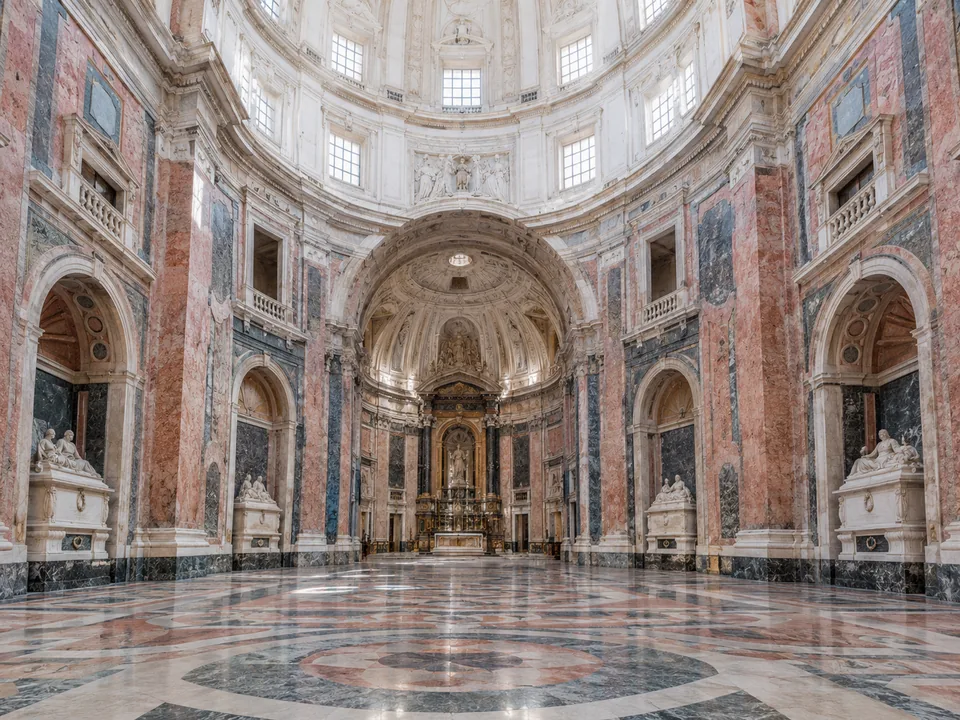
When the Pantheon was fitted out in the 1960s, a committee chaired by the historian Damião Peres chose six heroes of Portugal's age of discovery and placed their cenotaphs in the niches of the side chapels, three at each end of the transept. Their remains stayed where they were.
The tombs sit in the corner chambers of the building. Look for the names cut into the stone, and give yourself a few minutes in each room: they are quiet, and the marble work is fine.
Why are Camões and Vasco da Gama not buried in the Pantheon?
Their tombs are in the Jerónimos Monastery in Belém, where the National Pantheon was kept from 1836 to 1966. Santa Engrácia honours them with cenotaphs.
Vasco da Gama and Camões lie in the church of the Jerónimos Monastery, and the other heroes are buried elsewhere: Prince Henry in the Batalha Monastery and Pedro Álvares Cabral in Santarém. The cenotaphs bring them together in one room in Lisbon.
To see the real tombs, take tram 15 west to Belém. Pair it with the Pantheon and you have followed the whole story of Portugal's pantheon in two visits.
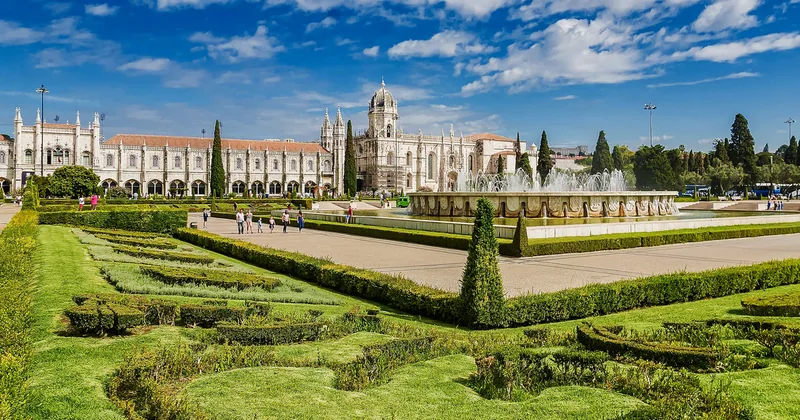
The monastery that held the National Pantheon from 1836 to 1966, where Vasco da Gama and Camões still lie. Entry at your own pace.
Explore the Jerónimos Monastery ticket Tour detailsWhere is Amália Rodrigues buried?
In the National Pantheon. The fado singer died in 1999 and her remains moved to Santa Engrácia in 2001, the first woman to be laid to rest there.
Amália Rodrigues made fado famous far beyond Lisbon, and her tomb is the one most visitors look for first. People often leave flowers. Sophia de Mello Breyner Andresen, the poet, followed her in 2014.
To hear the music Amália sang, Alfama is the place, and the Pantheon stands on its eastern edge. The Alfama walk with live fado and dinner ends the evening with dinner and a live show.
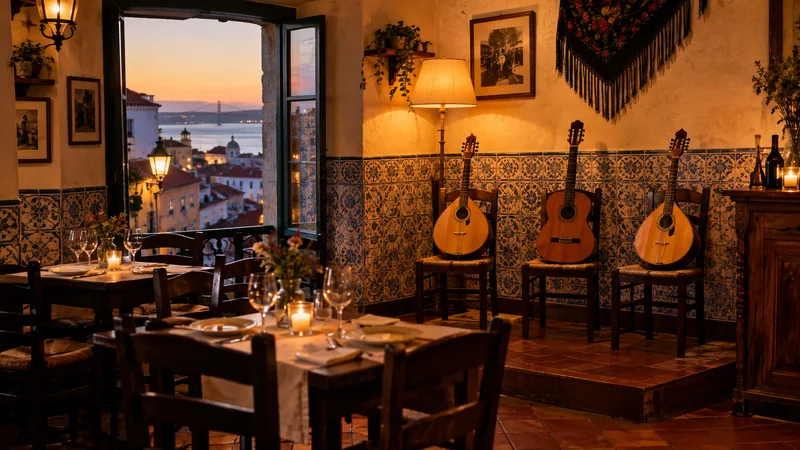
Hear fado where it was born: an Alfama walk, dinner and a live show.
Check dates for the fado dinner walkWhy is Eusébio in the National Pantheon?
Eusébio da Silva Ferreira, Benfica's great striker, was the first footballer honoured by the Pantheon. He died in January 2014 and moved there in 2015.
Born in Mozambique, Eusébio scored nine goals at the 1966 World Cup and led Portugal to third place. He is a national hero, and his tomb draws football fans from all over the world.
A guest who visited wrote: "You can learn a lot about famous Portuguese personalities there. You also get a terrific view of the city" (Martin, Dec 2025).
When was Eça de Queiroz moved to the Pantheon?
On 8 January 2025. The novelist of Os Maias came from the family tomb in Santa Cruz do Douro, in Baião.
Eça de Queiroz died in Paris in 1900 and was buried in Lisbon, then moved to the family tomb in Baião in 1989. Portugal's parliament voted unanimously in January 2021 to grant him the honours of the Pantheon. Some of his great-grandchildren objected, the courts allowed the transfer, and the ceremony took place in January 2025.
The Eça de Queiroz post tells the story in full.
Which presidents and writers lie in the National Pantheon?
Four presidents of the Republic, six writers and one general, from the first republican leaders to the poet Sophia de Mello Breyner Andresen.
- Presidents: Manuel de Arriaga, the first elected President of the Republic; Teófilo Braga; Sidónio Pais; Óscar Carmona.
- Writers: Almeida Garrett, who argued for a National Pantheon in the 1830s; João de Deus, poet and author of a famous reading primer; the poet Guerra Junqueiro; the novelist Aquilino Ribeiro; Sophia de Mello Breyner Andresen; Eça de Queiroz.
- General Humberto Delgado: the opposition candidate of 1958, murdered in 1965, honoured here in 1990.
- Aristides de Sousa Mendes: the consul in Bordeaux who issued visas to refugees in 1940, remembered with a plaque since 2021.
The Graça viewpoint, about 10 minutes uphill, carries Sophia's name, Miradouro Sophia de Mello Breyner Andresen, which makes a fine stop after the visit.
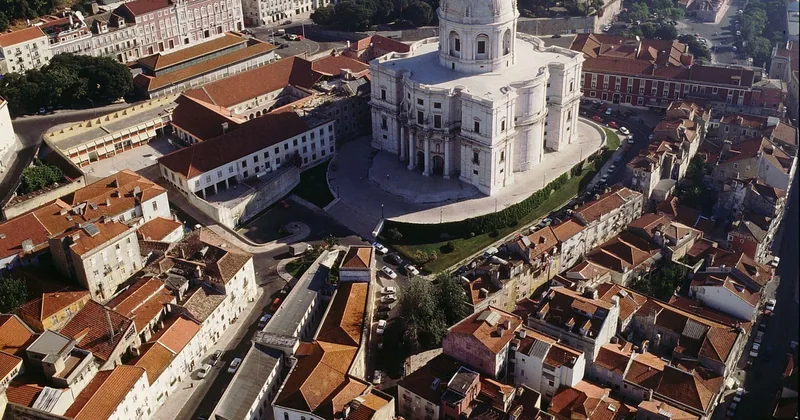
Stand by the tombs of Amália, Eusébio and Eça de Queiroz, then climb to the terrace round the dome. A mobile ticket from $11.
Explore the Pantheon entry ticket Tour detailsWho decides who is buried in the National Pantheon?
Portugal's parliament. The Assembleia da República votes the honours of the Pantheon, as it did for Eça de Queiroz in 2021.
A vote can bring someone's remains to Santa Engrácia or honour them with a memorial instead, as with the plaque to Aristides de Sousa Mendes. Transfers are state ceremonies, held with full honours.
For the rooms, the climb and the rules on the day, read the visiting guide.
Frequently asked questions
Is Amália Rodrigues buried in the National Pantheon?
Yes. Amália Rodrigues has lain in the National Pantheon since 2001, the first woman to be buried there.
Is Vasco da Gama buried in the National Pantheon?
No. The Pantheon has a cenotaph to Vasco da Gama; his tomb is in the Jerónimos Monastery in Belém.
Who was the last person moved to the National Pantheon?
The novelist Eça de Queiroz, on 8 January 2025.
Is Eusébio buried in the National Pantheon?
Yes. The Benfica and Portugal striker moved to the Pantheon in 2015, the first footballer to be honoured there.
Ready to book
Choose your ticket
Some of these options are non-refundable, as each card shows; the others cancel free up to 24 hours before. Prices are from-prices in USD and move with the season.
National Pantheon Entry Ticket
- Entry to the National Pantheon
- The nave, tombs and cenotaphs
- The dome terrace, by the stairs
Alfama Walk, Live Fado and Dinner
The music Amália made famous, in the district where it was born
Jerónimos Monastery Entrance Ticket
Where the National Pantheon was before 1966